Water therapy aids osteoarthritis
Hydrotherapy improves strength and mobility in patients with osteoarthritis, research suggests. The study also says patients would benefit from much higher intensity exercise than currently recommended.Patients who used water therapy were able to walk better afterwards, and their muscle strength improved.The research, by a team from Flinders University, South Australia, is published in the journal Annals of the Rheumatic Diseases.
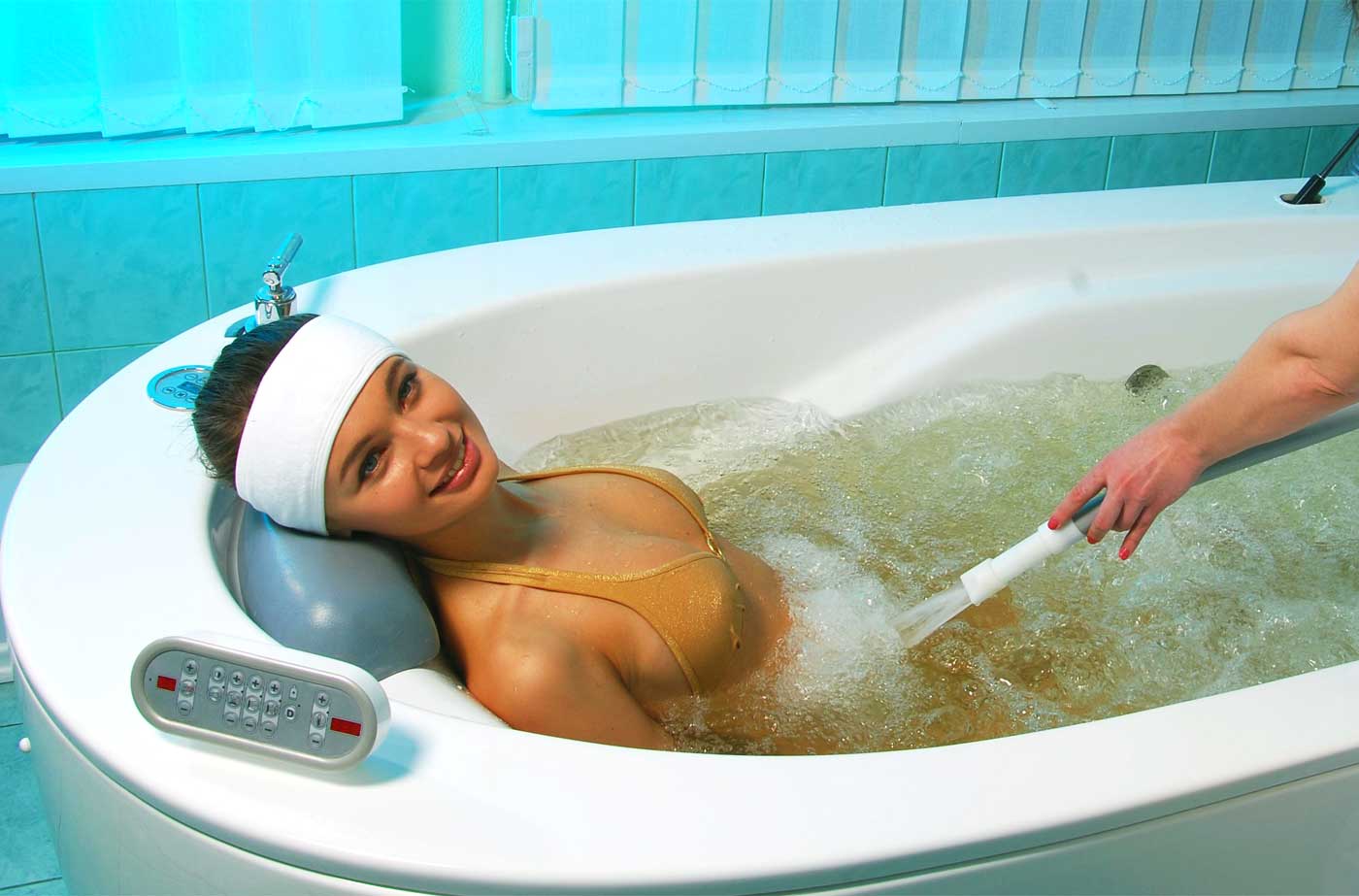
Patients with severe osteoarthritis may find that water provides the appropriate environment in which they can exercise
Flinders University
Osteoarthritis is the most common form of arthritis.
It is caused by the breakdown of protective tissue called cartilage in the joints.
Over 100 patients with osteoarthritis of the knee or hip were randomly assigned to three different programmes lasting for six weeks. All were over 50, with the average age being 70.
One group of 35 exercised three times a week in a swimming pool, while a second group of 35 did the same amount of exercise in a gym.
The remainder received fortnightly phone calls to monitor their health, but did not take part in any exercise programme.
The hydrotherapy group had more severe symptoms than those in the other groups.
But despite this walking speed and distance improved significantly in both exercise groups compared with the group taking no exercise.
The gym group significantly increased thigh muscle (quadriceps) strength in both legs.
Hydrotherapy did not have such a pronounced effect - but it did improve the strength of the left thigh muscle.
It also helped to ease pain considerably.
Walking vital
The researchers stress that improving walking ability is extremely important in patients with osteoarthritis because it increases and maintains independence.
Increased muscle strength around affected joints not only helps to make them more stable, it also helps to absorb the shock of movement more effectively. This should help to prevent further deterioration.
The researchers say the benefit of hydrotherapy is that it increases cardiovascular fitness and allows patients to exercise with greater intensity than would be possible on land.
This may be particularly important for people with severe forms of the disease.
"Patients with severe osteoarthritis who find it painful to weight bear for extended periods may find that water provides the appropriate environment in which they can exercise at intensities that may confer significant health benefits," they say.
They also point out that the intensity, volume, and frequency of activity in both exercise groups were considerably higher than current recommendations laid down by the American Geriatrics Society - and the normal exercise programmes offered by the hospital at which the patients were being treated.
They say their findings suggest that higher intensity exercise can safely be prescribed for patients with osteoarthritis.
Keep active
A spokeswoman for the UK Arthritis Research Campaign told BBC News Online: "We have said for a long time that the worst thing people with osteoarthritis can do is to sit around doing nothing because the muscles around the joints become weaker: they start to feel tired and it becomes a vicious circle.
"Hydrotherapy is a fantastic way of exercising because it gets the heart and lungs going and it also strengthens the muscles and joints without putting them under too much pressure.
"If more GPs prescribed hydrotherapy instead of NSAID drugs many people with osteoarthritis would feel a great deal better. We would like to see GPs be a lot more proactive in keeping their patients with osteoarthritis as active as possible.
"Some people are afraid that exercise will wear out their joints more quickly, but along with losing weight it is the best thing they can do for themselves."
Story from BBC NEWS:
http://news.bbc.co.uk/go/pr/fr/-/2/hi/health/3233414.stm
Published: 2003/11/25 01:24:04 GMT
© BBC MMIII
Τελευταία άρθρα


ΟΣΤΕΟΑΡΘΡΙΤΙΔΑ: ΣΥΓΧΡΟΝΕΣ ΠΡΟΣΕΓΓΙΣΕΙΣ ΑΝΤΙΜΕΤΩΠΙΣΗΣ
Η οστεοαρθρίτιδα συνιστά πολυπαραγοντική εκφυλιστική νόσο που απαιτεί έγκαιρη διάγνωση και πολυδιάστατη θεραπευτική προσέγγιση.

ΙΧΝΗΛΑΤΩΝΤΑΣ ΤΗ ΔΙΑΔΡΟΜΗ ΤΟΥ ΑΓΧΟΥΣ ΑΠΟ ΤΟΝ ΕΓΚΕΦΑΛΟ
Πώς το άγχος μεταφέρεται από τον εγκέφαλο στο Ανοσοποιητικό μας Σύστημα

ΟΤΑΝ ΤΟ ΜΥΑΛΟ ΔΕΝ ΣΤΑΜΑΤΑ ΝΑ ΣΚΕΦΤΕΤΑΙ
Πίσω από την υπερβολική σκέψη κρύβονται συγκεκριμένοι εγκεφαλικοί μηχανισμοί που επηρεάζουν βαθιά την καθημερινότητα και ευεξία.

ΣΥΝΔΡΟΜΟ ΚΡΟΤΑΦΟΓΝΑΘΙΚΗΣ ΑΡΘΡΩΣΗΣ : ΚΡΑΝΙΟΪΕΡΗ ΘΕΡΑΠΕΙΑ
Οι διαταραχές τής κροταφογναθικής άρθρωσης επηρεάζουν τη λειτουργικότητα της γνάθου και την ποιότητα ζωής. Η Κρανιοϊερή Θεραπεία αποτελεί ολιστική θεραπευτική επιλογή.

ΠΟΝΟΣ ΣΤΟΝ ΩΜΟ: ΣΥΝΔΡΟΜΟ ΥΠΟΑΚΡΩΜΙΑΚΟΥ ΠΟΝΟΥ
Στοχευμένη θεραπεία για ταχύτερη αποκατάσταση, λιγότερη ταλαιπωρία τού ασθενή και χαμηλότερο κόστος περίθαλψης.

ΛΙΠΟΙΔΗΜΑ ΚΑΤΩ ΑΚΡΩΝ ΚΑΙ ΛΕΜΦΙΚΗ ΠΑΡΟΧΕΤΕΥΣΗ
Διαταραχή του λιπώδους ιστού που απαιτεί έγκαιρη αναγνώριση και εξειδικευμένη αντιμετώπιση.

ΙΛΙΓΓΟΣ ΑΥΧΕΝΙΚΗΣ ΑΙΤΙΟΛΟΓΙΑΣ
Ο ίλιγγος αυχενικής αιτιολογίας είναι μια σύνθετη κατάσταση που επηρεάζει την ισορροπία και την καθημερινή λειτουργικότητα των ασθενών.

ΑΣΥΜΜΕΤΡΙΑ ΣΤΟ ΑΝΘΡΩΠΙΝΟ ΣΩΜΑ
Η ιδέα τής συμμετρίας στο ανθρώπινο σώμα, είναι βαθιά ριζωμένη στη σκέψη μας ως συνώνυμο της υγείας και της σωστής στάσης. Στην πραγματικότητα όμως, το ανθρώπινο σώμα δεν είναι ούτε σχεδιασμένο, ούτε προορισμένο να είναι απόλυτα συμμετρικό.

ΖΩΗ ΣΗΜΑΙΝΕΙ ΚΙΝΗΣΗ, ΖΩΗ ΣΗΜΑΙΝΕΙ ΡΟΗ!
Η κίνηση αποτελεί θεμελιώδη μηχανισμό για τη ρύθμιση, προσαρμογή και διατήρηση τής λειτουργικότητας του σώματός μας.