Exercise therapy for patellofemoral pain syndrome.
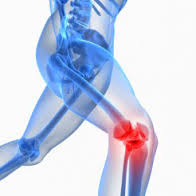
Patellofemoral pain syndrome (PFPS) is a common problem among adolescents and young adults, characterised by retropatellar pain (behind the kneecap) or peripatellar pain (around the kneecap) when ascending or descending stairs, squatting or sitting with flexed knees. Etiology, structures causing the pain and treatment methods are all debated in literature, but consensus has not been reached so far. Exercise therapy to strengthen the quadriceps is often prescribed, though its efficacy is still debated.
Exercise therapy for patellofemoral pain syndrome.
Heintjes E, Berger M, Bierma-Zeinstra S, Bernsen R, Verhaar J, Koes B.
Department of General Practice, Erasmus Medical Centre Rotterdam, Dr. Molewaterplein 50, P.O. Box 1738, Rotterdam, NETHERLANDS, 3000 DR.
OBJECTIVES: This review aims to summarise the evidence of effectiveness of exercise therapy in reducing anterior knee pain and improving knee function in patients with PFPS. SEARCH STRATEGY: We searched the Cochrane Musculoskeletal Injuries Group and Cochrane Rehabilitation and Related Therapies Field specialised registers, the Cochrane Controlled Trials Register, PEDro - The Physiotherapy Evidence Database, MEDLINE, EMBASE, CINAHL, up till December 2001 for controlled trials (randomised or not) comparing exercise therapy with control groups, or comparing different types of exercise therapy. SELECTION CRITERIA: Only trials focusing on exercise therapy in patients with PFPS were considered. Trials in patients with other diagnoses such as tendinitis, Osgood Schlatter syndrome, bursitis, traumatic injuries, osteoarthritis, plica syndrome, Sinding-Larssen-Johansson syndrome and patellar luxations were excluded. DATA
COLLECTION AND ANALYSIS: From 750 publications 12 trials were selected. All included trials studied quadriceps strengthening exercises. Outcome assessments for knee pain and knee function in daily life were used in a best evidence synthesis to summarise evidence for effectiveness. MAIN RESULTS: One high and two low quality studies used a control group not receiving exercise therapy. Significantly greater pain reduction in the exercise groups was found in one high and one low quality study, though at different time points. Only one low quality study reported significantly greater functional improvement with exercise. Five studies compared exercise therapies that could be designated closed kinetic chain exercise (foot in contact with a surface) versus open kinetic chain exercise (foot not in contact with a surface). Two of these studies were of high quality, but no significant differences in improvement of function or reduction of pain were apparent between the types of exercise in any of the studies. The remaining four studies, all of which were of low quality, focused on other treatment comparisons.
REVIEWER'S CONCLUSIONS: The evidence that exercise therapy is more effective in treating PFPS than no exercise was limited with respect to pain reduction, and conflicting with respect to functional improvement. There is strong evidence that open and closed kinetic chain exercise are equally effective. Further research to substantiate the efficacy of exercise treatment compared to a non-exercising control group is needed, and thorough consideration should be given to methodological aspects of study design and reporting.
Τελευταία άρθρα


ΟΣΤΕΟΑΡΘΡΙΤΙΔΑ: ΣΥΓΧΡΟΝΕΣ ΠΡΟΣΕΓΓΙΣΕΙΣ ΑΝΤΙΜΕΤΩΠΙΣΗΣ
Η οστεοαρθρίτιδα συνιστά πολυπαραγοντική εκφυλιστική νόσο που απαιτεί έγκαιρη διάγνωση και πολυδιάστατη θεραπευτική προσέγγιση.

ΙΧΝΗΛΑΤΩΝΤΑΣ ΤΗ ΔΙΑΔΡΟΜΗ ΤΟΥ ΑΓΧΟΥΣ ΑΠΟ ΤΟΝ ΕΓΚΕΦΑΛΟ
Πώς το άγχος μεταφέρεται από τον εγκέφαλο στο Ανοσοποιητικό μας Σύστημα

ΟΤΑΝ ΤΟ ΜΥΑΛΟ ΔΕΝ ΣΤΑΜΑΤΑ ΝΑ ΣΚΕΦΤΕΤΑΙ
Πίσω από την υπερβολική σκέψη κρύβονται συγκεκριμένοι εγκεφαλικοί μηχανισμοί που επηρεάζουν βαθιά την καθημερινότητα και ευεξία.

ΣΥΝΔΡΟΜΟ ΚΡΟΤΑΦΟΓΝΑΘΙΚΗΣ ΑΡΘΡΩΣΗΣ : ΚΡΑΝΙΟΪΕΡΗ ΘΕΡΑΠΕΙΑ
Οι διαταραχές τής κροταφογναθικής άρθρωσης επηρεάζουν τη λειτουργικότητα της γνάθου και την ποιότητα ζωής. Η Κρανιοϊερή Θεραπεία αποτελεί ολιστική θεραπευτική επιλογή.

ΠΟΝΟΣ ΣΤΟΝ ΩΜΟ: ΣΥΝΔΡΟΜΟ ΥΠΟΑΚΡΩΜΙΑΚΟΥ ΠΟΝΟΥ
Στοχευμένη θεραπεία για ταχύτερη αποκατάσταση, λιγότερη ταλαιπωρία τού ασθενή και χαμηλότερο κόστος περίθαλψης.

ΛΙΠΟΙΔΗΜΑ ΚΑΤΩ ΑΚΡΩΝ ΚΑΙ ΛΕΜΦΙΚΗ ΠΑΡΟΧΕΤΕΥΣΗ
Διαταραχή του λιπώδους ιστού που απαιτεί έγκαιρη αναγνώριση και εξειδικευμένη αντιμετώπιση.

ΙΛΙΓΓΟΣ ΑΥΧΕΝΙΚΗΣ ΑΙΤΙΟΛΟΓΙΑΣ
Ο ίλιγγος αυχενικής αιτιολογίας είναι μια σύνθετη κατάσταση που επηρεάζει την ισορροπία και την καθημερινή λειτουργικότητα των ασθενών.

ΑΣΥΜΜΕΤΡΙΑ ΣΤΟ ΑΝΘΡΩΠΙΝΟ ΣΩΜΑ
Η ιδέα τής συμμετρίας στο ανθρώπινο σώμα, είναι βαθιά ριζωμένη στη σκέψη μας ως συνώνυμο της υγείας και της σωστής στάσης. Στην πραγματικότητα όμως, το ανθρώπινο σώμα δεν είναι ούτε σχεδιασμένο, ούτε προορισμένο να είναι απόλυτα συμμετρικό.

ΖΩΗ ΣΗΜΑΙΝΕΙ ΚΙΝΗΣΗ, ΖΩΗ ΣΗΜΑΙΝΕΙ ΡΟΗ!
Η κίνηση αποτελεί θεμελιώδη μηχανισμό για τη ρύθμιση, προσαρμογή και διατήρηση τής λειτουργικότητας του σώματός μας.